In dit artikel ga ik het hebben over een onderwerp dat nauwelijks aandacht krijgt in de mainstreammedia:
In this article, I will discuss a topic that receives hardly any attention in the mainstream media:
De oorlog tegen Iran begon in juni 2025 en duurde 12 dagen. Tijdens dit conflict vroeg Netanyahu de Amerikanen om hulp bij het uitschakelen van de Iraanse leider, Ali Khamenei. Hiermee gaf hij aan dat de oorlog, wat hem betreft, nog niet voorbij was – een standpunt dat hij op 17 december 2025 onderstreepte door tegenover de pers te verklaren dat hij Iran in 2026 opnieuw zou aanvallen.
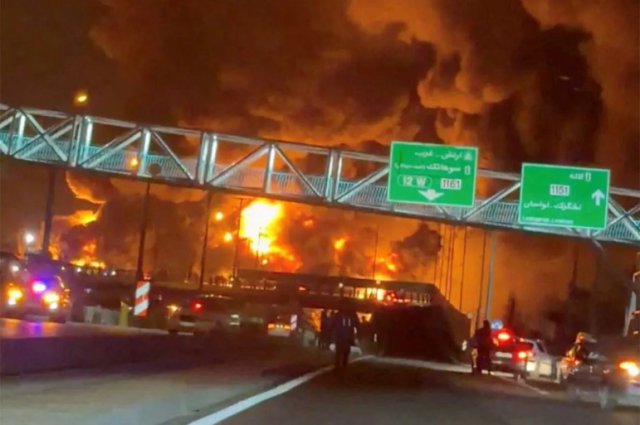
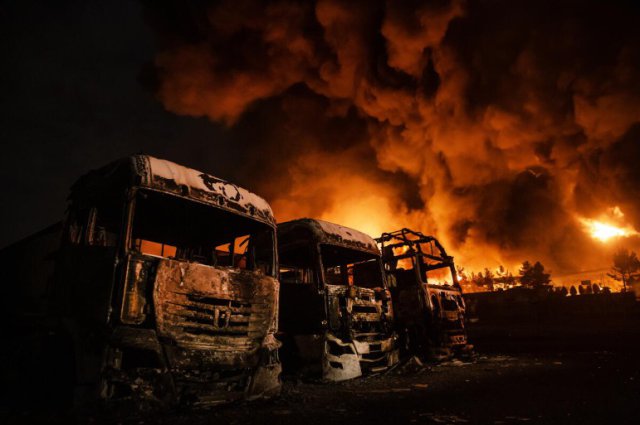
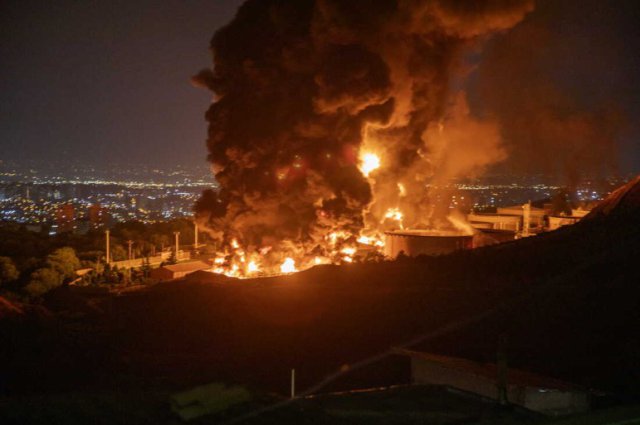
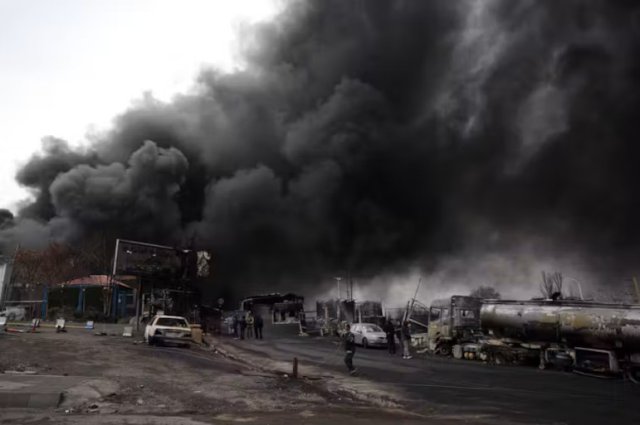
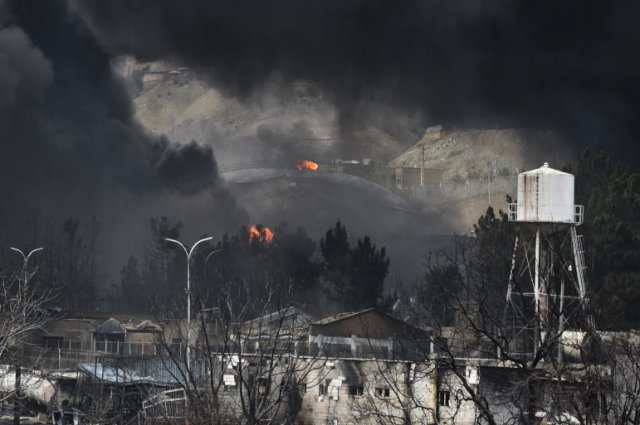
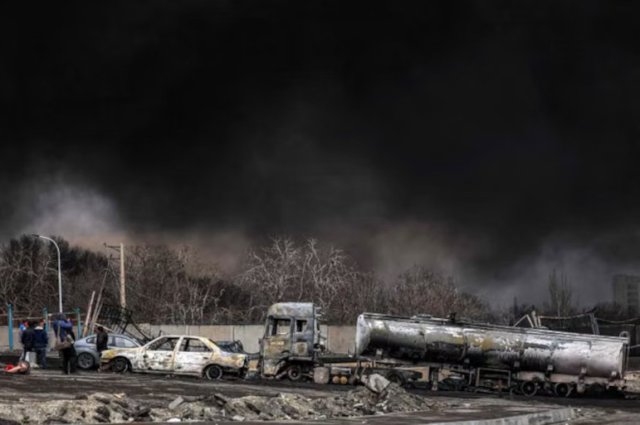
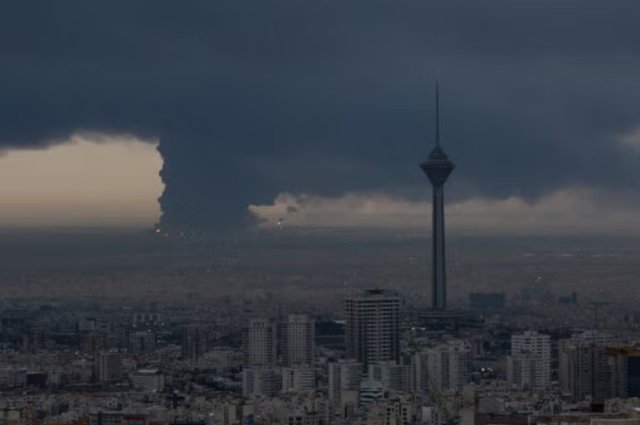
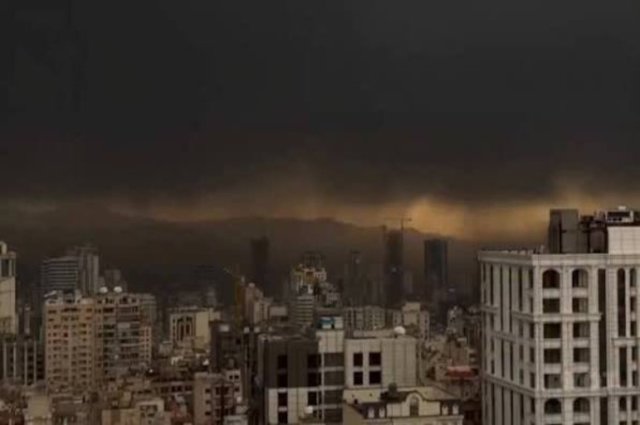
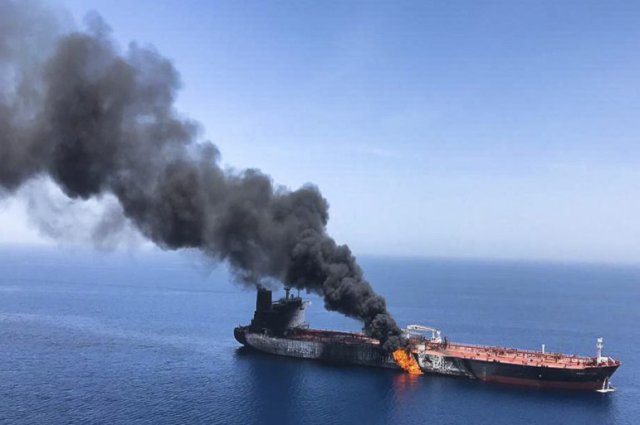
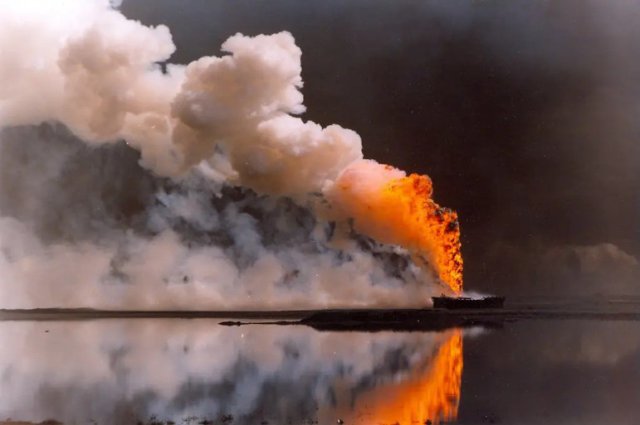
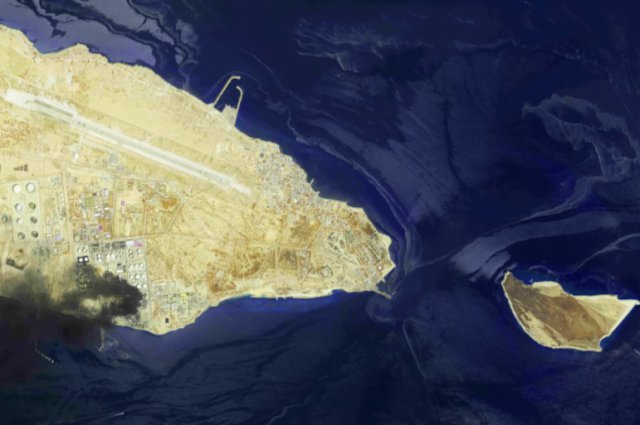
Op 28 februari 2026 kwam bij een Israëlisch bombardement niet alleen Khamenei om het leven, maar werden ook olieopslagtanks ten noorden van Teheran getroffen. De rookpluimen die daarvan het gevolg waren, veroorzaakten een milieuramp die een bedreiging vormde voor de volksgezondheid in de hoofdstad. Het bleef niet bij deze gigantische milieuramp.
Iran - Israeli-US war - Israel bombs Tehran oil depots
Iran - Israeli-US war - Israel bombs Tehran oil depots
Iran - Israeli-US war - Israel bombs Tehran oil depots
Iran - Israeli-US war - Israel bombs Tehran oil depots
Iran - Israeli-US war - Israel bombs Tehran oil depots
Iran - Israeli-US war - Israel bombs Tehran oil depots
Iran - Israeli-US war - Israel bombs Tehran oil depots
Iran - Israeli-US war - Israel bombs Tehran oil depots
Iran - Israeli-US war - Israel bombs Tehran oil depots
De Amerikanen waren de eerste die commerciële schepen aanvielen, en wel die van Iran en schepen die naar Iraanse havens voeren. Dit in het kader van een marineblokkade, die later niet meer op zichzelf stond maar deel uitmaakte van Trump's arbitraire sanctiebeleid. Iran is toen schepen gaan aanvallen. Schepen die de havens van Amerikaanse bondgenoten wilden aandoen of die havens hadden verlaten. Aanvallen die plaatsvinden wanneer schepen niet de route volgen die Iran heeft aangewezen.
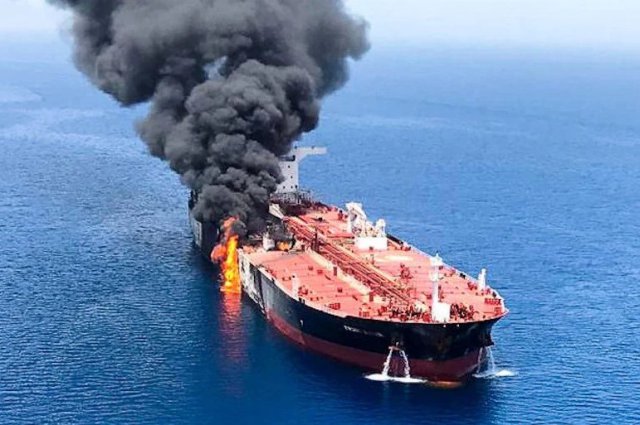
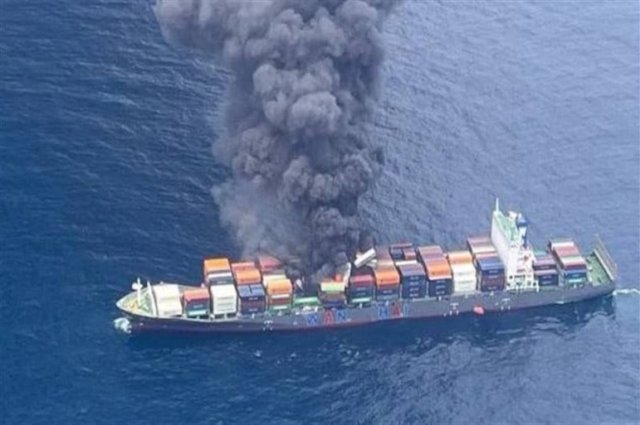
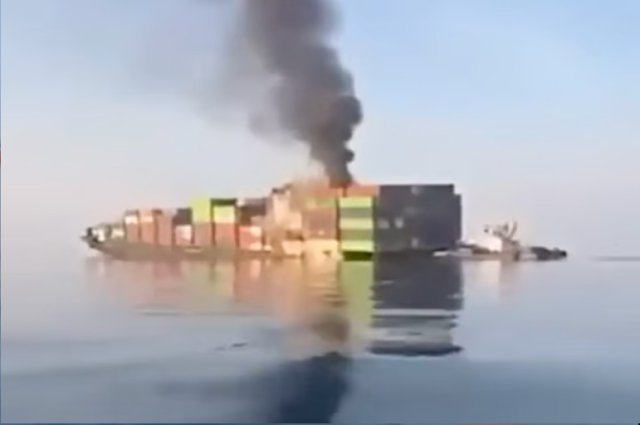
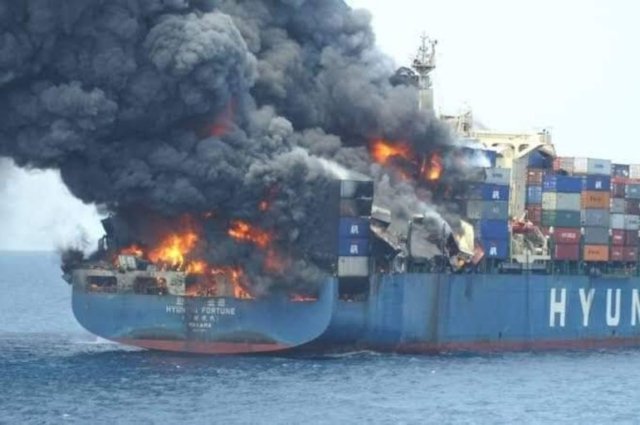
De Straat van Hormuz ligt bezaaid met zeemijnen ondanks Trump's bewering dat de waterweg vrij is van die mijnen. De afgelopen week zijn vier olietankers op zeemijnen gevaren en zijn andere schepen, zoals bulktankers en containerschepen, getroffen door projectielen. In de eerste week van deze maand zijn op een dag zelfs vier schepen op zeemijnen gevaren. De gevolgen zijn desastreus:
Iran - Israeli-US war - Persian Gulf pollution
Iran - Israeli-US war - Persian Gulf pollution
Iran - Israeli-US war - Persian Gulf pollution
Iran - Israeli-US war - Persian Gulf pollution
Iran - Israeli-US war - Persian Gulf pollution
Iran - Israeli-US war - Persian Gulf pollution
Iran - Israeli-US war - Persian Gulf pollution
Iran - Israeli-US war - Persian Gulf pollution
Iran - Israeli-US war - Persian Gulf pollution
Iran - Israeli-US war - Persian Gulf pollution
Iran - Israeli-US war - Persian Gulf pollution
Iran - Israeli-US war - Persian Gulf pollution
De vraag: Is Iran schuldig aan wat er zich in de Perzische Golf voltrekt?
Ja, zullen velen zeggen, want zij hebben de zeemijnen gelegd. Maar het is net als het paraat houden van nucleaire wapens. Die mijnen dienen als afschrikkingsmiddel, zodat kapiteins van commerciële schepen het niet in hun hoofd halen om toch de Straat van Hormuz te doorkruisen, ongeacht of Iraanse acties indruisen tegen de vrijheid van navigatie. Dat laatste is ook de Amerikaanse counterblokkade, zelfs met oorlogsschepen.
Waarom wagen kapiteins van die schepen toch de doortocht?
Het gaat niet zozeer om die kapiteinen, maar om hun werkgevers die hun leidinggevende personeel op die schepen aanmoedigen om toch het risico te nemen. Want, wat is nou het uitbetalen van een salaris van $ 50.000 tegenover een miljoenenwaarde aan olievaten per schip?
Wat zijn de gevolgen?
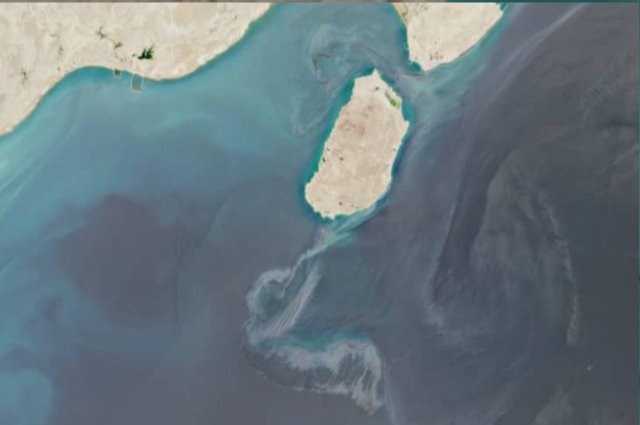
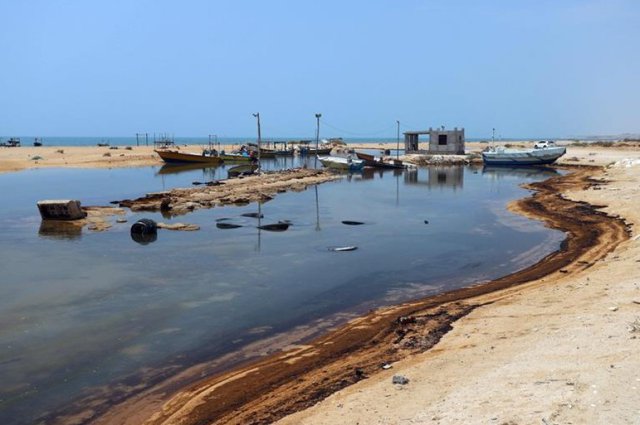
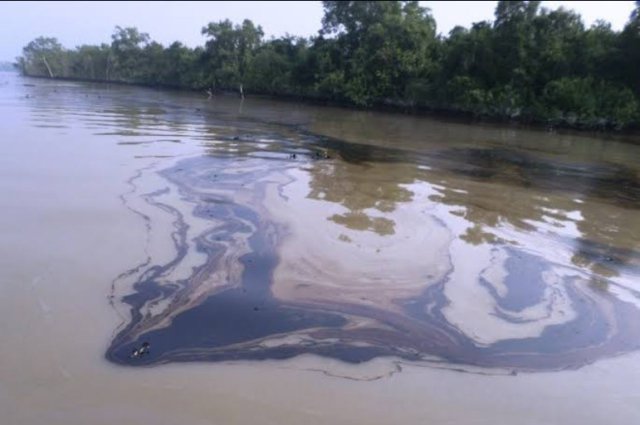
Als schepen op Iraanse zeemijnen varen, ontstaat er grootschalige olievervuiling met verwoestende gevolgen voor het ecosysteem van de Perzische Golf. De Golf is ondiep, heet, zeer zout en semi-gesloten: het water heeft meerdere jaren nodig om naar de open oceaan te stromen, waardoor olie niet verdwijnt maar circuleert, zich concentreert en bezinkt en het ecosysteem decennialang vergiftigt.
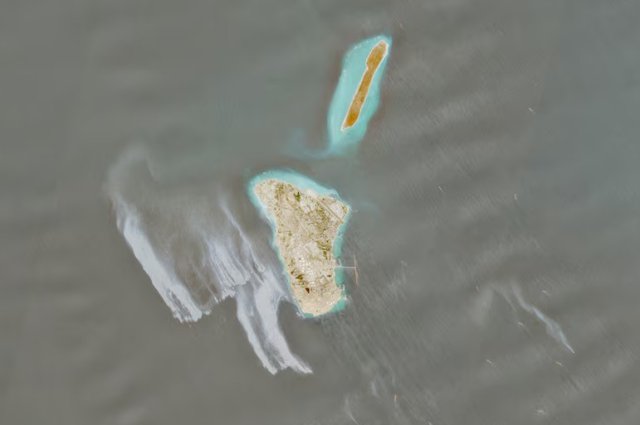
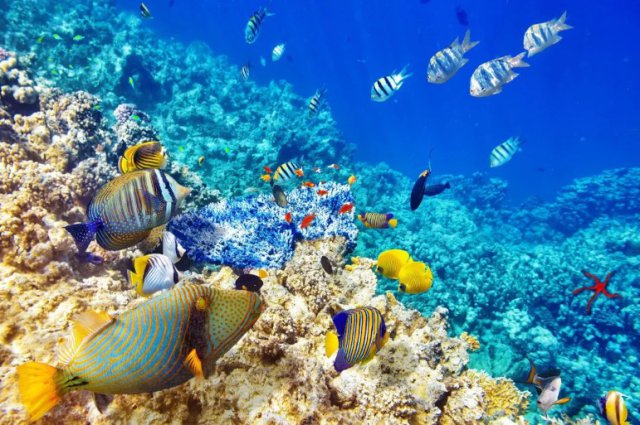
Zo smoort olie de wortels van mangroves (zoals in het Hara Biosfeerreservaat rond Qeshm-eiland, het grootste Avicennia-mangrovesysteem van de Golf) en zeegrasvelden, die als kraamkamers fungeren voor zeeleven.
Koraalriffen tolereren giftige koolwaterstoffen niet; de schade verspreidt zich via de voedselketen. Denk maar aan de plaatselijke vissers.
Olie dringt door in fijne sedimenten en kan er jaren tot decennia blijven.
Iran - Israeli-US war - Effects Persian Gulf pollution
Iran - Israeli-US war - Effects Persian Gulf pollution
Iran - Israeli-US war - Effects Persian Gulf pollution
Iran - Israeli-US war - Effects Persian Gulf pollution
Iran - Israeli-US war - Effects Persian Gulf pollution
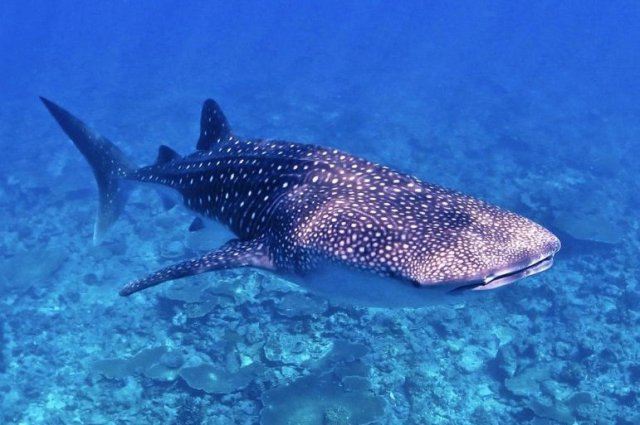
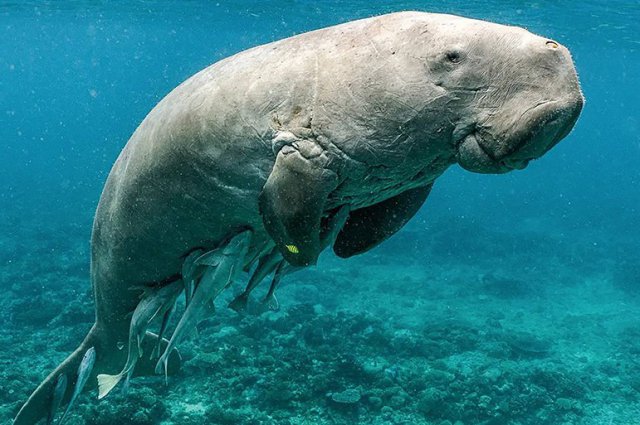
De Golf herbergt de tweede grootste dugongpopulatie ter wereld (~7.500 exemplaren), meer dan 700 vissoorten, groene en karetschildpadden, Indo-Pacifische bultruggendolfijnen, walvishaaien en trekvogels.
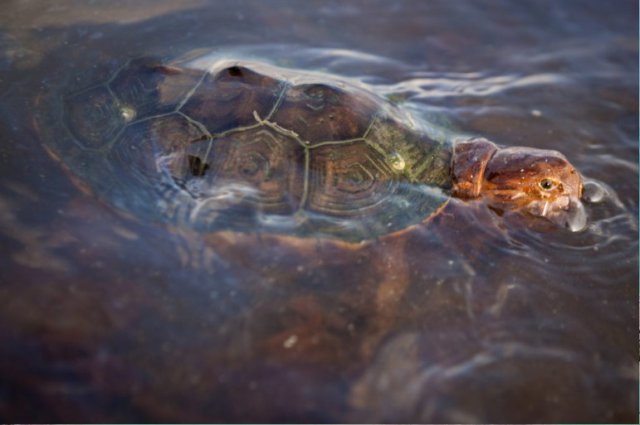
Olie beschadigt het zintuiglijke systeem van dolfijnen en schildpadden (navigatie, geur); voorkomt visreproductie en veroorzaakt massale sterfte. Zeevogels verliezen hun waterdichte verenlaag; eieren worden misvormd of schillen niet uit.
Er zijn ook bijkomende factoren, zoals het klimaat. De hitte in de Golf maakt olie toxischer dan in koelere zeeën.
KUNSTMEST & PETROCHEMISCHE PRODUCTEN
Ik heb tot nu toe alleen geschreven over het effect van olievervuiling, wanneer kapiteins het risico nemen dat hun olietankers op Iraanse zeemijnen varen vanwege het aantrekkelijke salaris dat zij dan ontvangen van hun werkgevers.
Er zijn ook kapiteins van andere typen schepen die hetzelfde risico wagen en dan denk ik aan bulktankers die kunstmest naar Afrika vervoeren. Exporterende landen zijn Iran, Saoedi-Arabië, Qatar, de Verenigde Arabische Emiraten en Koeweit.
Als een bulktanker geladen met kunstmest op een Iraanse zeemijn vaart en zinkt, wordt het zeewater vergiftigd met allerlei bestanddelen die in kunstmest zitten.
Meststoffen zijn rijk aan stikstof, fosfor en andere voedingsstoffen voor planten. Als grote hoeveelheden in zee terechtkomen, veroorzaken ze nutriëntenvervuiling.
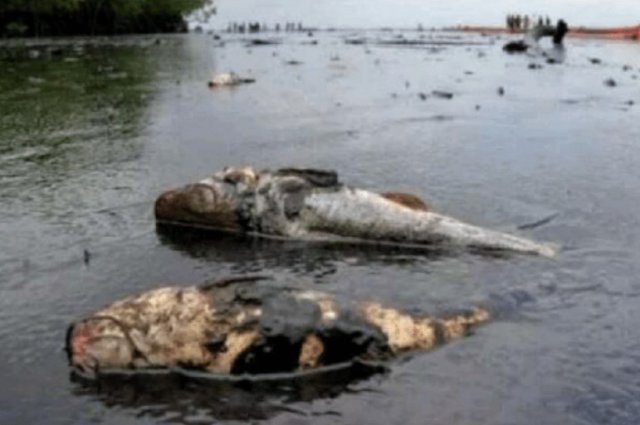
Nutriëntenvervuiling is de overmatige toevloed van stikstof en fosfor naar kust- en zeegebieden, wat leidt tot eutrofiëring van het mariene milieu. Dat laatste is een ketenreactie die eindigt met zuurstoftekort in het water. Vissen sterven in grote getallen en lokale vissers verliezen inkomsten.
Ethyleen, polyetheen, propyleen/polypropyleen, methanol en monoethyleenglycol zijn petrochemische stoffen, geproduceerd door de Golfstaten, en worden ook geëxporteerd met bulktankers. Sommige gassen zijn dus niet schadelijk voor de visvoedselketen.
Als een mens via besmette vis een significante hoeveelheid monoethyleenglycol binnenkrijgt, kan dit leiden tot verzuring van het bloed en ernstige, acute schade aan de nieren door de vorming van calciumoxalaatkristallen.
Metanol in vis is alleen schadelijk als de vis direct gevangen is in de buurt van een recente chemische lozing.
The war against Iran began in June 2025 and lasted 12 days. During this conflict, Netanyahu asked the Americans for assistance in eliminating the Iranian leader, Ali Khamenei. In doing so, he signaled that, as far as he was concerned, the war was not yet over—a position he underscored on December 17, 2025, by declaring to the press that he would attack Iran again in 2026.
On February 28, 2026, an Israeli bombing not only killed Khamenei but also struck oil storage tanks north of Tehran. The resulting plumes of smoke caused an environmental disaster that posed a threat to public health in the capital. And it did not stop with this massive environmental catastrophe.
Iran - Israeli-US war - Israel bombs Tehran oil depots
Iran - Israeli-US war - Israel bombs Tehran oil depots
Iran - Israeli-US war - Israel bombs Tehran oil depots
Iran - Israeli-US war - Israel bombs Tehran oil depots
Iran - Israeli-US war - Israel bombs Tehran oil depots
Iran - Israeli-US war - Israel bombs Tehran oil depots
Iran - Israeli-US war - Israel bombs Tehran oil depots
Iran - Israeli-US war - Israel bombs Tehran oil depots
Iran - Israeli-US war - Israel bombs Tehran oil depots
The Americans were the first to attack commercial vessels—specifically those belonging to Iran or bound for Iranian ports. This occurred within the context of a naval blockade, which later ceased to be an isolated action and instead became part of Trump’s arbitrary sanctions policy. In response, Iran began attacking ships—vessels that were either heading toward or had departed from the ports of American allies. These attacks occur whenever ships fail to follow the route designated by Iran.
The Strait of Hormuz is littered with naval mines, contrary to Trump’s claim that the waterway is free of them. Over the past week, four oil tankers have struck naval mines, and other vessels—such as bulk carriers and container ships—have been hit by projectiles. In the first week of this month, on one particular day, as many as four ships struck naval mines. The consequences are disastrous.
Iran - Israeli-US war - Persian Gulf pollution
Iran - Israeli-US war - Persian Gulf pollution
Iran - Israeli-US war - Persian Gulf pollution
Iran - Israeli-US war - Persian Gulf pollution
Iran - Israeli-US war - Persian Gulf pollution
Iran - Israeli-US war - Persian Gulf pollution
Iran - Israeli-US war - Persian Gulf pollution
Iran - Israeli-US war - Persian Gulf pollution
Iran - Israeli-US war - Persian Gulf pollution
Iran - Israeli-US war - Persian Gulf pollution
Iran - Israeli-US war - Persian Gulf pollution
Iran - Israeli-US war - Persian Gulf pollution
The question is: Is Iran responsible for what is unfolding in the Persian Gulf?
Many would say yes, arguing that it was Iran that laid the mines. Yet, this is akin to maintaining a nuclear arsenal; the mines serve as a deterrent, intended to ensure that the captains of commercial vessels do not even consider transiting the Strait of Hormuz—regardless of whether Iranian actions might violate the principle of freedom of navigation. The latter is also the basis for the American counter-blockade, which even involves the deployment of warships.
Why, then, do the captains of these vessels still risk the passage? It is not so much about the captains themselves, but rather about their employers, who encourage the senior staff on those ships to take the risk regardless. After all, what is a $50,000 salary payout compared to the value of the millions of dollars' worth of oil barrels carried by each ship?
What are the consequences?
If ships strike Iranian naval mines, large-scale oil pollution would occur, with devastating effects on the Persian Gulf’s ecosystem. The Gulf is shallow, hot, highly saline, and semi-enclosed; it takes several years for its water to flow out into the open ocean. Consequently, the oil does not simply disappear—it circulates, becomes concentrated, settles, and poisons the ecosystem for decades.
Oil smothers the roots of mangroves (such as those in the Hara Biosphere Reserve around Qeshm Island—the largest *Avicennia* mangrove system in the Gulf) and seagrass beds, both of which serve as nurseries for marine life.
Coral reefs cannot tolerate toxic hydrocarbons, and the resulting damage spreads throughout the food chain—a major concern for local fishing communities.
Oil penetrates fine sediments, where it can remain for years or even decades.
Iran - Israeli-US war - Effects Persian Gulf pollution
Iran - Israeli-US war - Effects Persian Gulf pollution
Iran - Israeli-US war - Effects Persian Gulf pollution
Iran - Israeli-US war - Effects Persian Gulf pollution
Iran - Israeli-US war - Effects Persian Gulf pollution
Play SlideshowPause Slideshow
The Gulf is home to the world’s second-largest population of dugongs (approximately 7,500 individuals), as well as over 700 species of fish, green and hawksbill sea turtles, Indo-Pacific humpback dolphins, whale sharks, and migratory birds.
Oil impairs the sensory systems—such as navigation and the sense of smell—of dolphins and sea turtles; it also disrupts fish reproduction and leads to mass mortality. Seabirds lose the waterproofing of their feathers, while eggs become deformed or fail to hatch.
There are also additional factors, such as the climate. The intense heat in the Gulf makes oil even more toxic than it would be in cooler seas.
FERTILIZES & PETROCHEMICAL PRODUCTS
I have only written about the impact of oil pollution—specifically, instances where captains take the risk of sailing their oil tankers into Iranian naval mines, enticed by the substantial salaries offered by their employers.
However, captains of other types of vessels take this same risk, including those operating bulk carriers transporting fertilizers to Africa—commodities exported by countries such as Iran, Saudi Arabia, Qatar, the United Arab Emirates, and Kuwait.
If a bulk carrier loaded with fertilizer strikes an Iranian naval mine and sinks, the seawater becomes contaminated with the various substances contained within the fertilizer.
Fertilizers are rich in nitrogen, phosphorus, and other plant nutrients. When large quantities enter the sea, they cause nutrient pollution.
Nutrient pollution refers to an excessive influx of nitrogen and phosphorus into coastal and marine areas, which triggers eutrophication in the marine environment. This sets off a chain reaction that ultimately leads to oxygen depletion in the water, causing mass fish mortality and a loss of income for local fishermen.
Petrochemical substances—such as ethylene, polyethylene, propylene/polypropylene, methanol, and monoethylene glycol—are produced by the Gulf states and also transported via bulk carriers. Consequently, some of these substances do not pose a direct threat to the marine food chain.
If a person ingests a significant amount of monoethylene glycol via contaminated fish, it can lead to acidification of the blood and severe, acute kidney damage caused by the formation of calcium oxalate crystals.
Methanol in fish is only harmful if the fish was caught in the immediate vicinity of a recent chemical discharge.